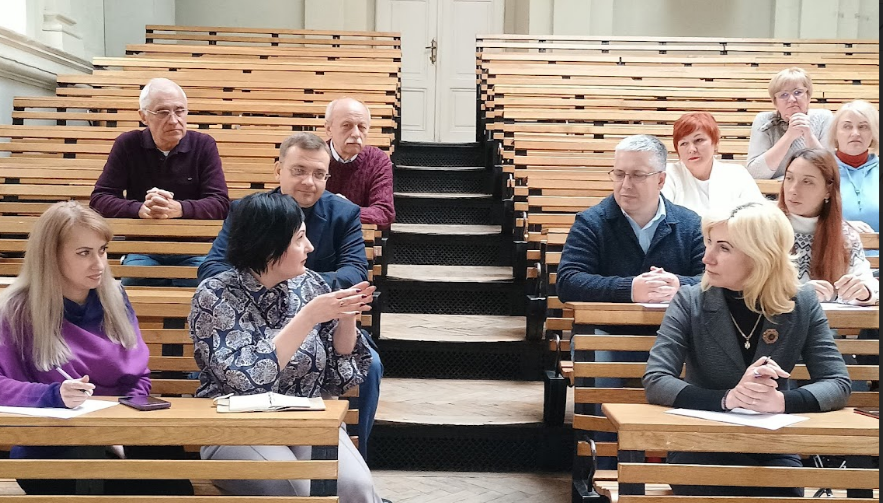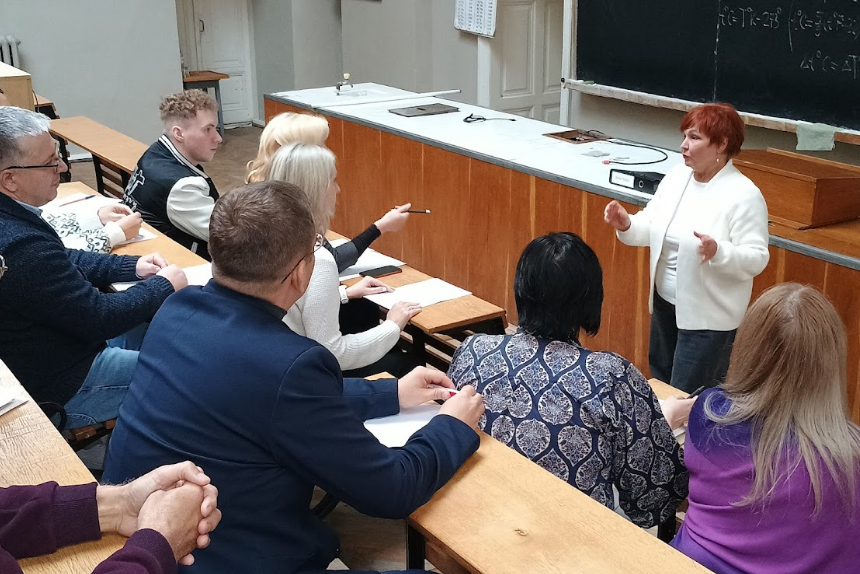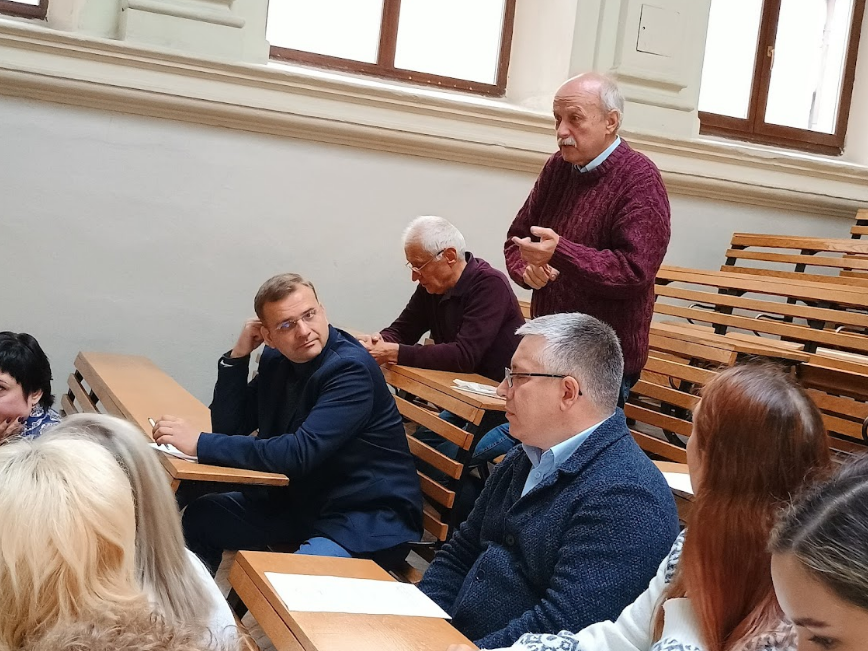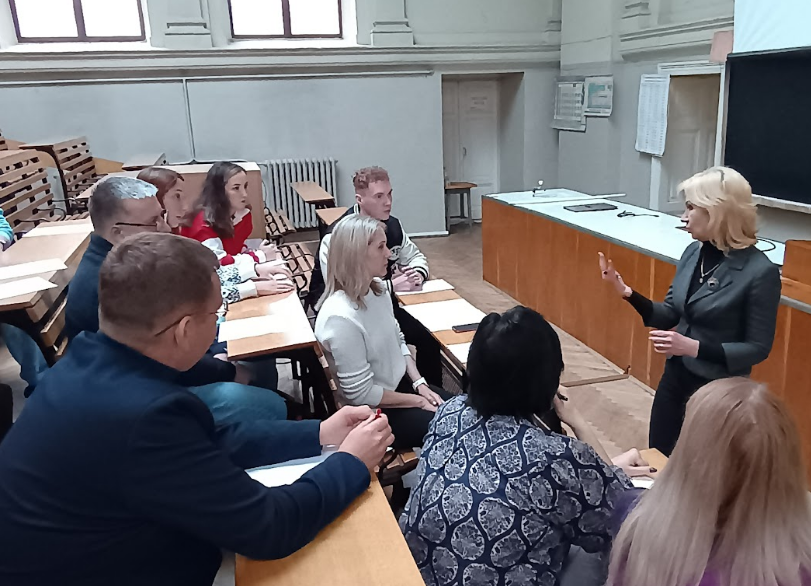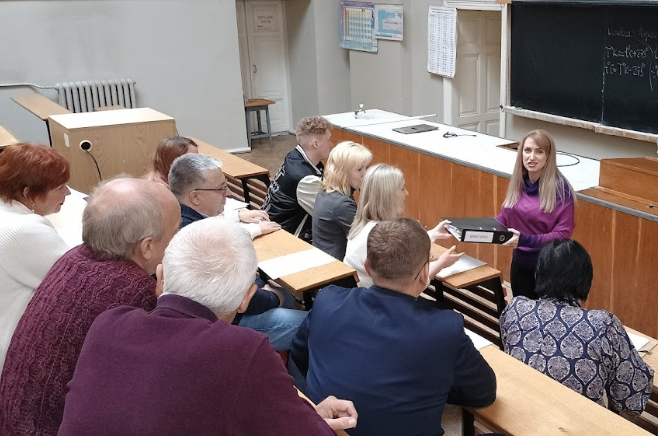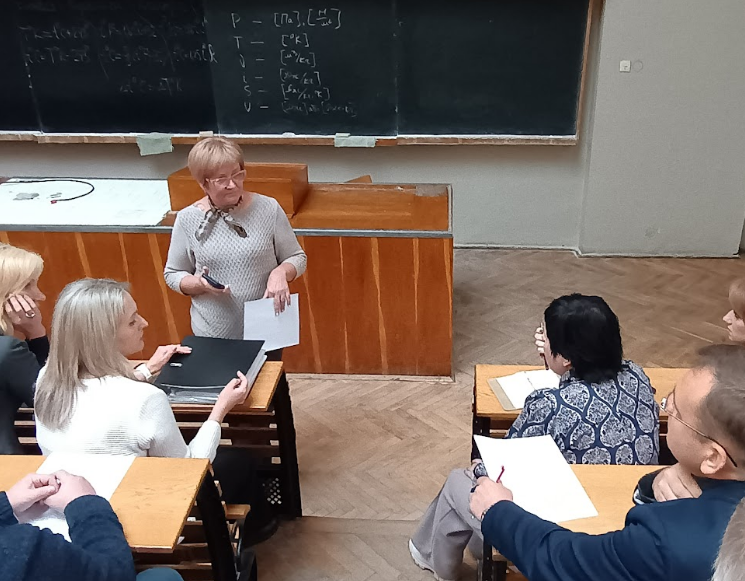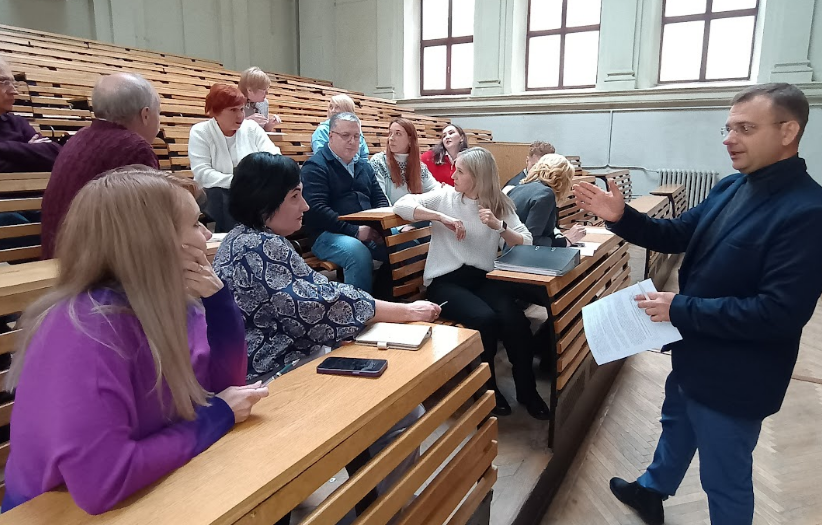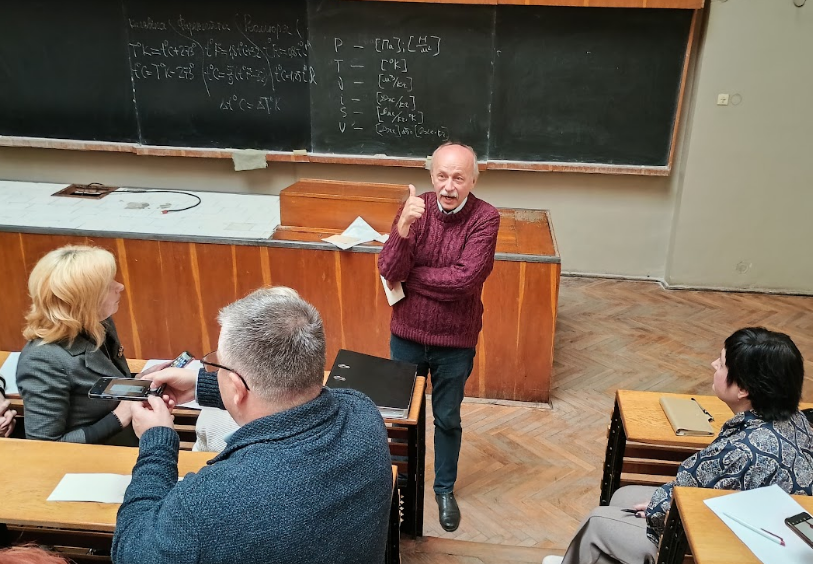
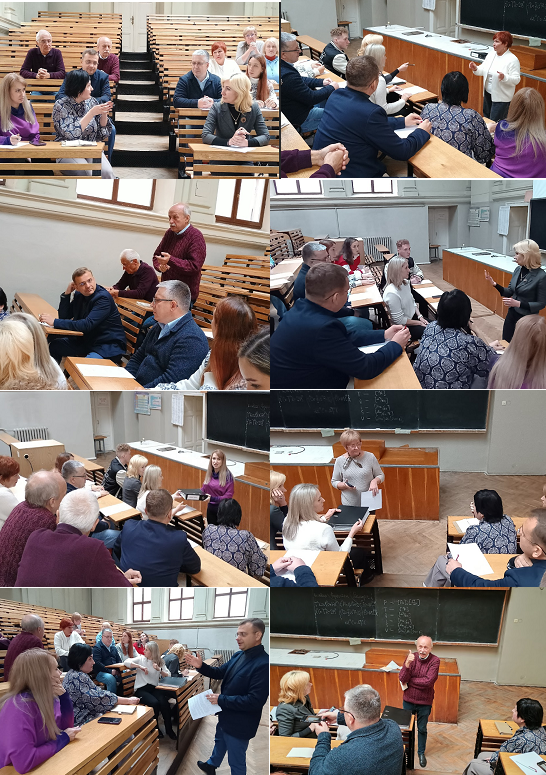
On October 3, 2025, the Department of Chemical Technology of Silicates at the Institute of Chemistry and Chemical Technologies of Lviv Polytechnic hosted an interdepartmental seminar dedicated to discussing the educational and professional programs of specialty G1 “Chemical Technologies and Engineering.” The event brought together faculty members from silicate-oriented departments of various higher education institutions, including O. M. Beketov National University of Urban Economy in Kharkiv, the National Technical University “Kharkiv Polytechnic Institute,” the Ukrainian State University of Science and Technology, and the National Technical University of Ukraine “Igor Sikorsky Kyiv Polytechnic Institute,” as well as representatives of industrial enterprises and students from different regions of Ukraine. Such meetings have already become a tradition and contribute to the development of educational and scientific activities in the field of chemical technologies.
The participants emphasized the importance of continuously updating curricula to prepare specialists capable of responding to modern technological challenges. During the seminar, the content of educational programs at all levels—Bachelor’s, Master’s, and PhD—was discussed. Special attention was given to improving the practical component of education, in particular the introduction of internships at leading industrial enterprises. The topic of dual education, which allows students to combine academic studies with real production experience, generated significant interest. Participants also shared the results of surveys conducted among students and employers, which help adapt programs to the needs of the labor market. Another important aspect of the discussion was the integration of stakeholder feedback collected throughout the academic year. Additionally, the relevance of updating courses to reflect the latest technologies in the field of silicate materials was examined. Participants also highlighted the need to develop students’ soft skills, such as critical thinking, teamwork, and project management.
During the event, the educational program “Chemical Technologies of Refractory Nonmetallic and Silicate Materials” was presented. The program sparked an active discussion regarding possibilities for its improvement and potential renaming to enhance its recognition and popularity. The seminar reaffirmed the importance of cooperation between educational institutions and industry to ensure high-quality training of specialists.
The guarantors of the educational program and leading faculty members of departments specializing in refractory nonmetallic and silicate materials took an active part in discussing these important issues.