

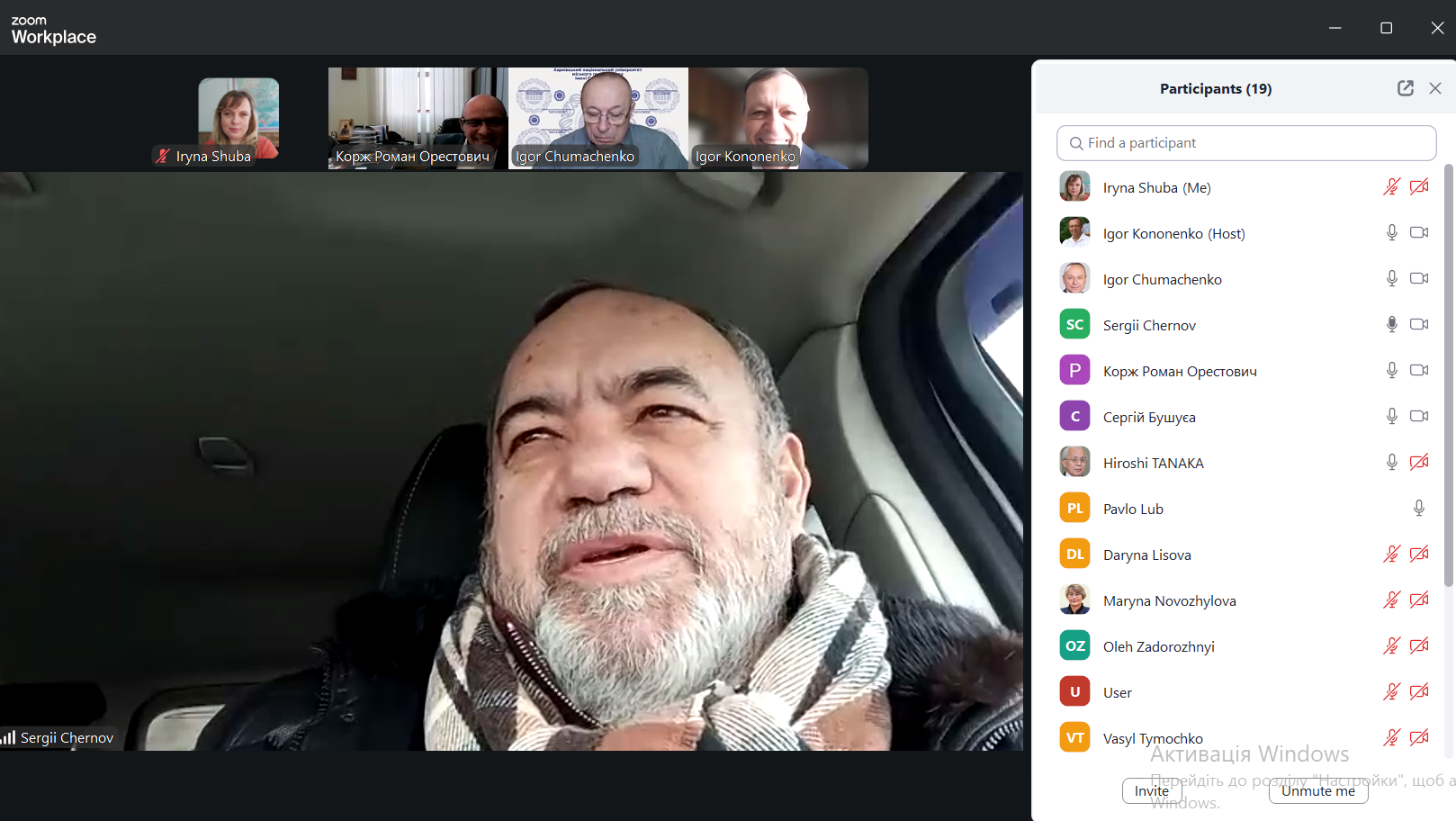
On February 17–19, 2026, the XVI International Scientific and Practical Conference “Integrated Strategic Management, Portfolio, Program and Project Management” was held online due to the conditions of war.
The conference was organized by the Ministry of Education and Science of Ukraine, National Technical University “Kharkiv Polytechnic Institute”, Lviv Polytechnic National University, Azerbaijan University of Architecture and Construction, Ukrainian Project Management Association, and the Azerbaijan Project Management Association.
The conference brought together scholars from Azerbaijan, Bulgaria, the United Kingdom, the United States, Japan, and Ukraine — 135 participants in total. A distinctive feature of this year’s event was the strong focus on presentations dedicated to the development of artificial intelligence.
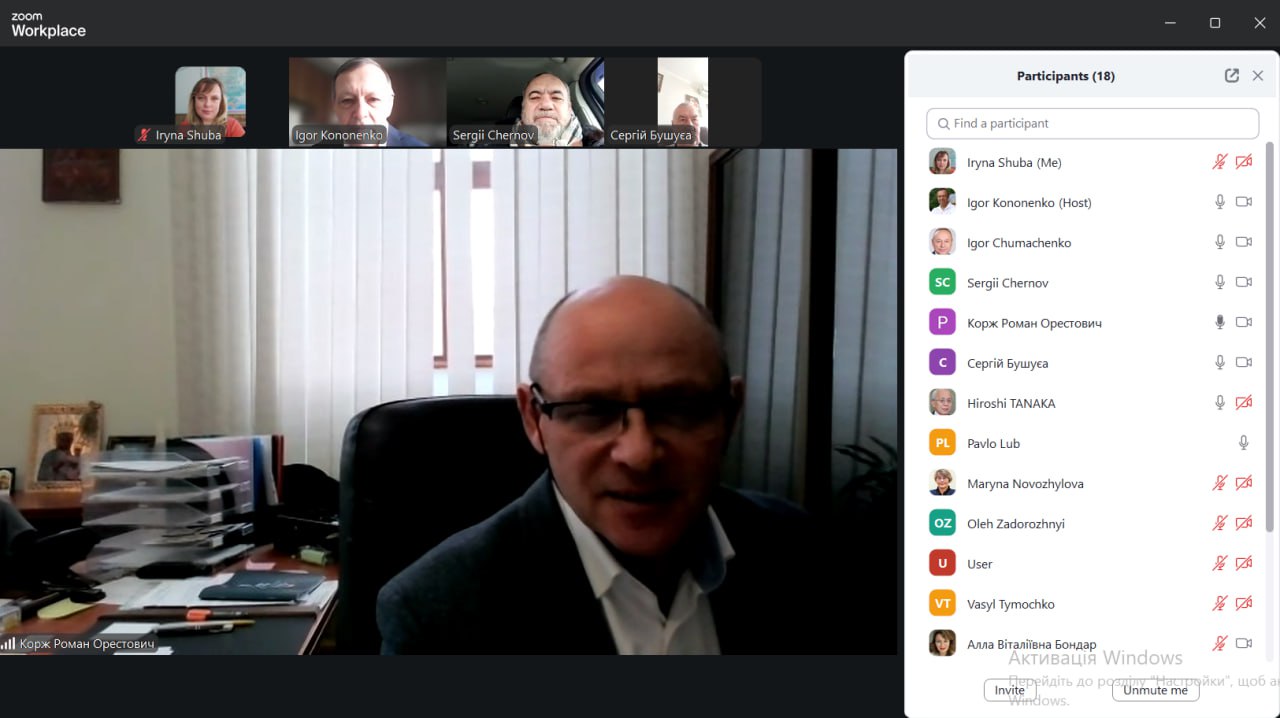
The conference was opened by the First Vice-Rector of Lviv Polytechnic National University, Prof. Roman Korzh.
 |
 |
 |
 |
 |
 |
 |
 |
 |
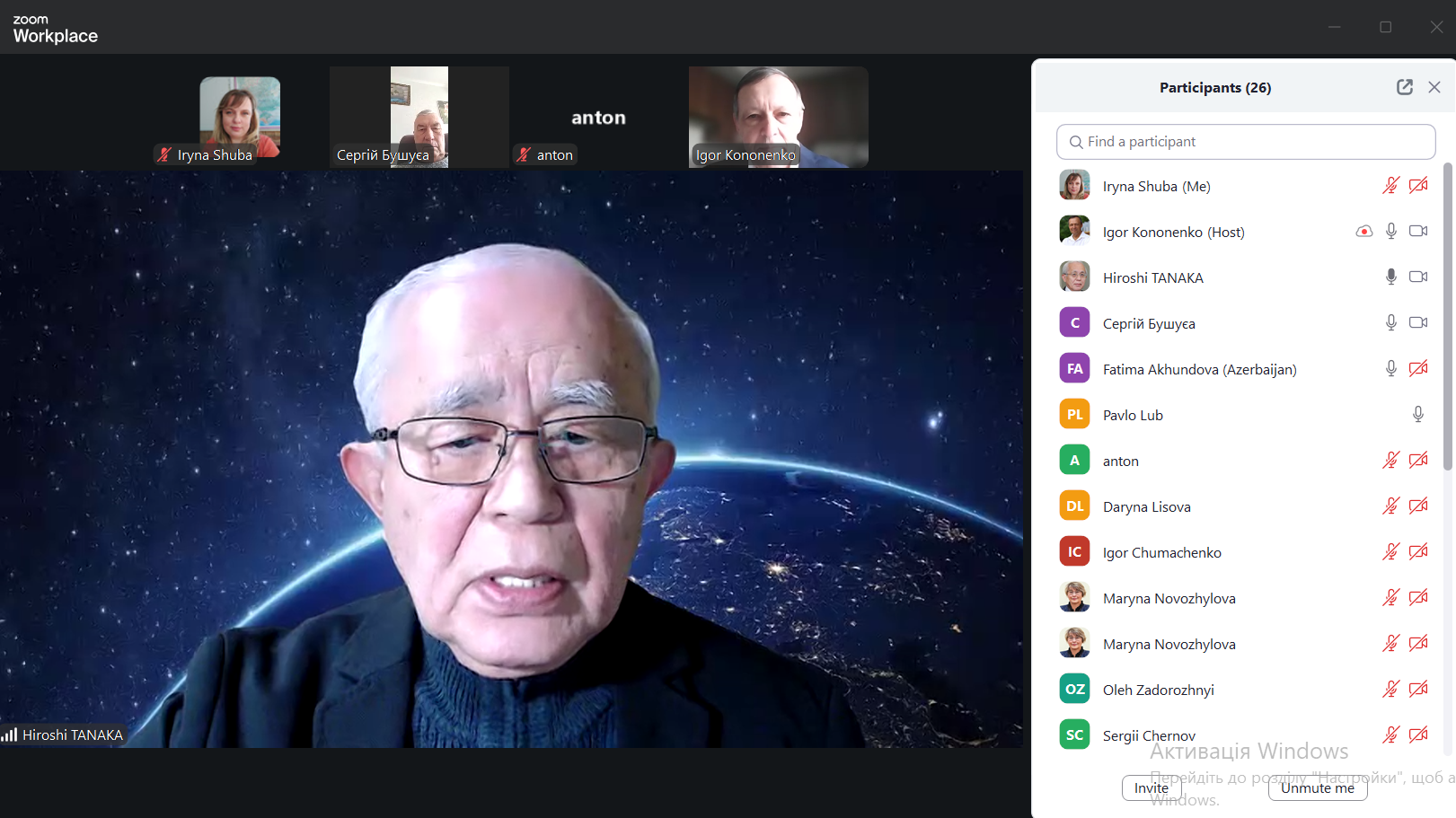
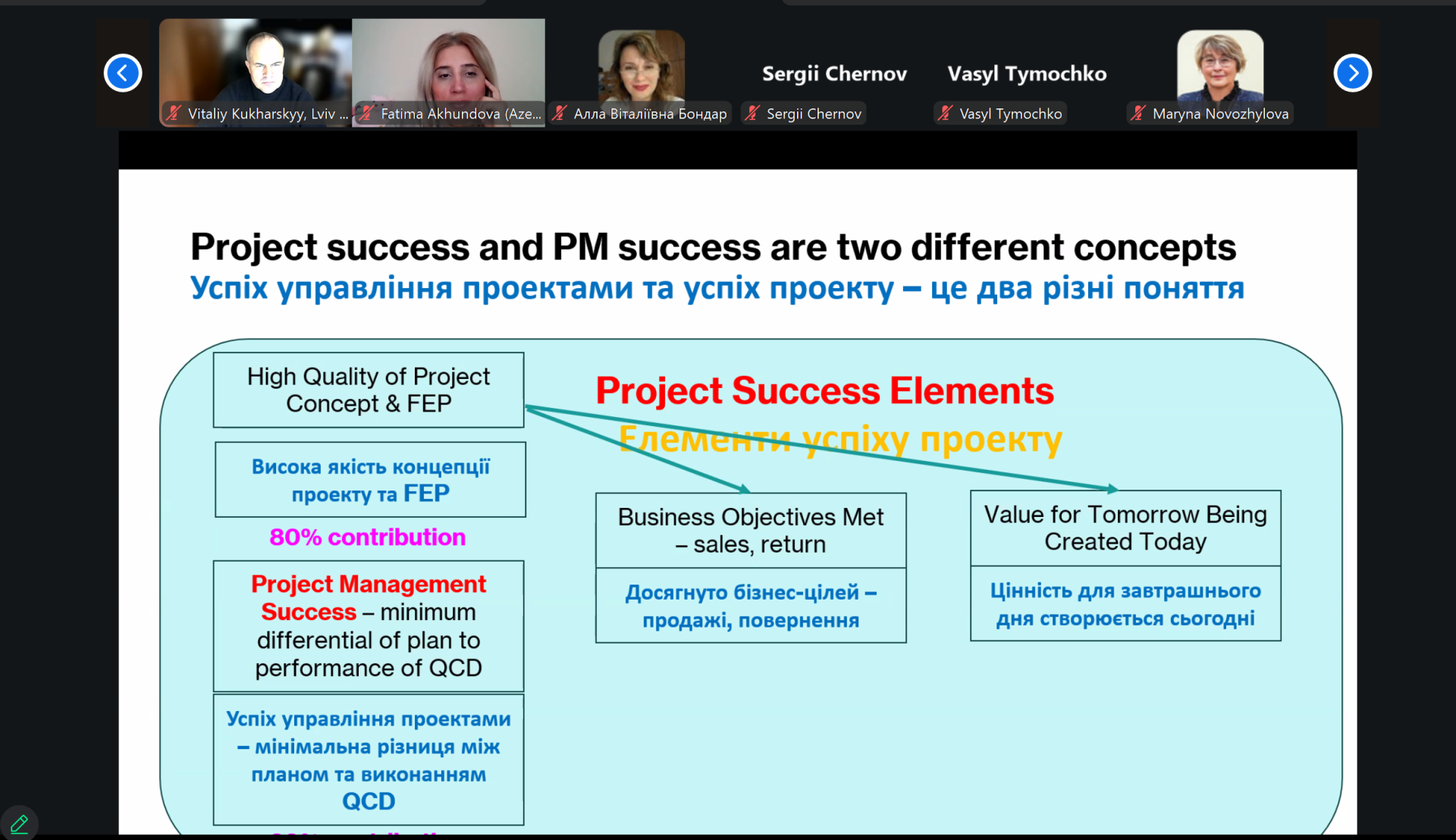
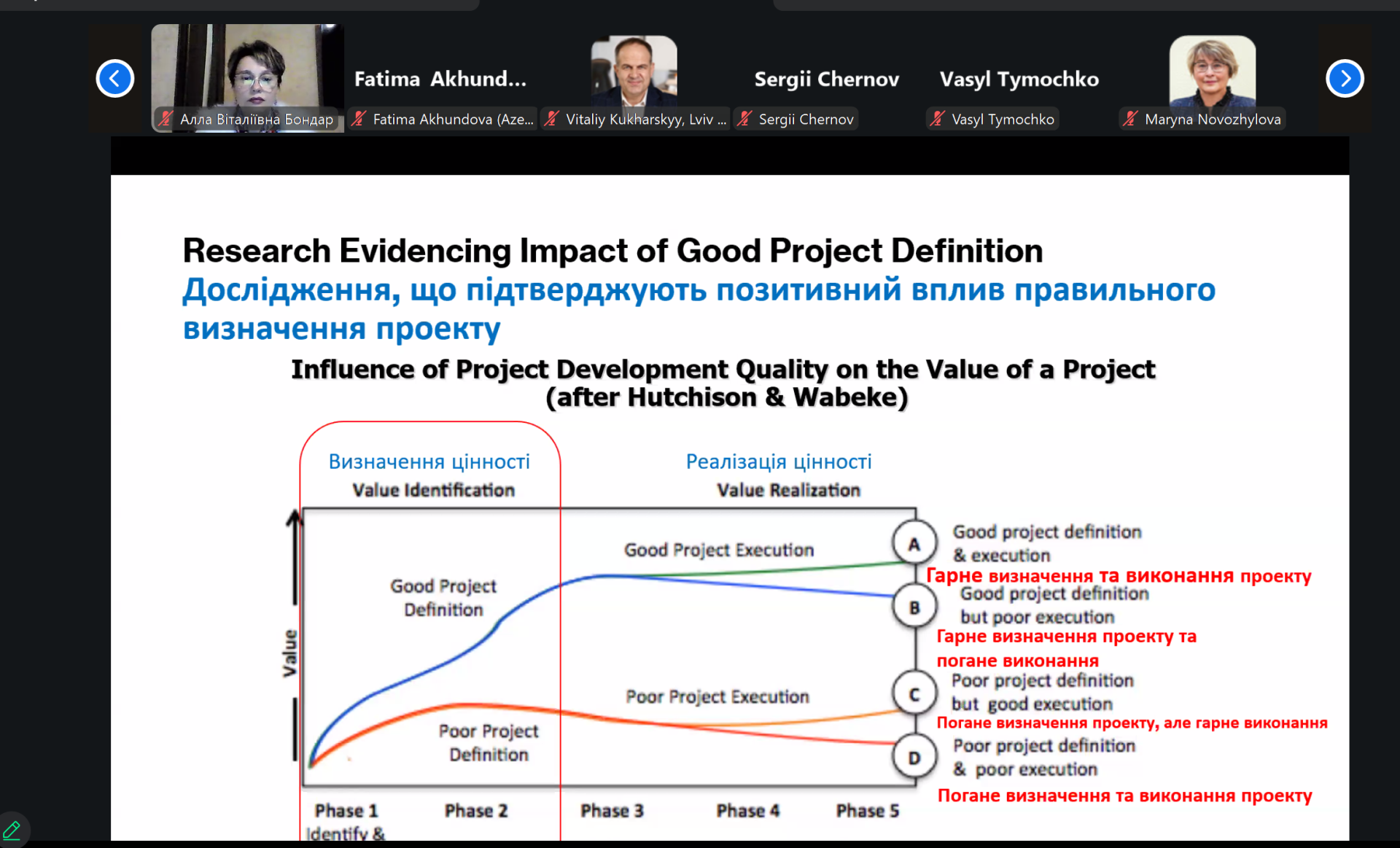
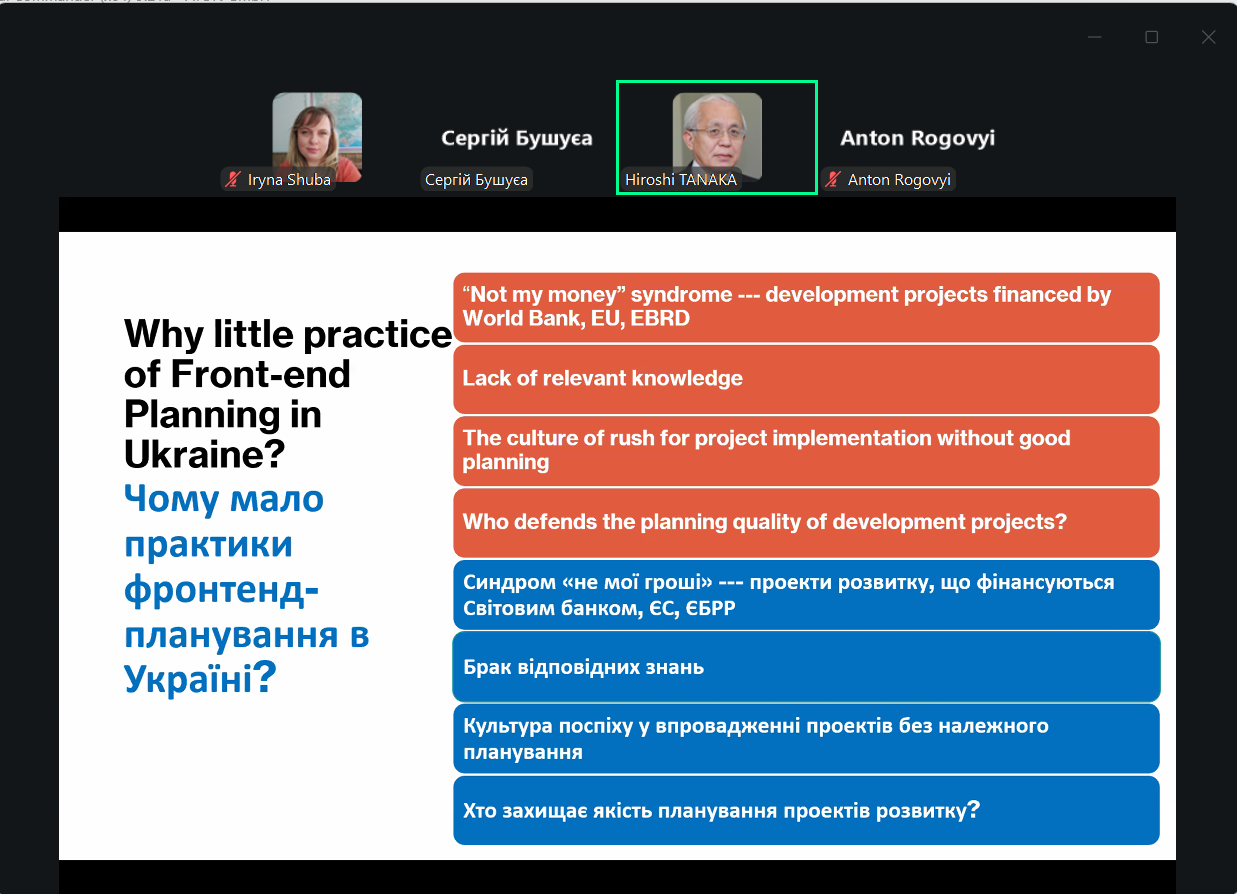
A keynote plenary presentation was delivered by Professor Hiroshi Tanaka (Japan), a world-renowned expert in project and program management. His presentation focused on improving the efficiency of large-scale projects in the oil and gas, automotive, and construction industries. Using Japan as an example, he demonstrated that the success of such projects largely depends on the quality of planning at the initial stage (front-end planning). He emphasized the particular relevance of his recommendations for the Ukrainian context.
The presentation by the President of the Ukrainian Project Management Association, Professor Serhii Bushuyev, was devoted to innovations in project management based on artificial intelligence, which are becoming a strategic necessity for future success. The speaker stressed that artificial intelligence will not replace project managers but will significantly expand their capabilities. This evolution requires the rehumanization of the project manager’s role, enabling professionals to focus on uniquely human competencies such as strategic leadership, emotional intelligence, complex problem-solving, and ethical governance.
 |
 |
 |
 |
 |
 |
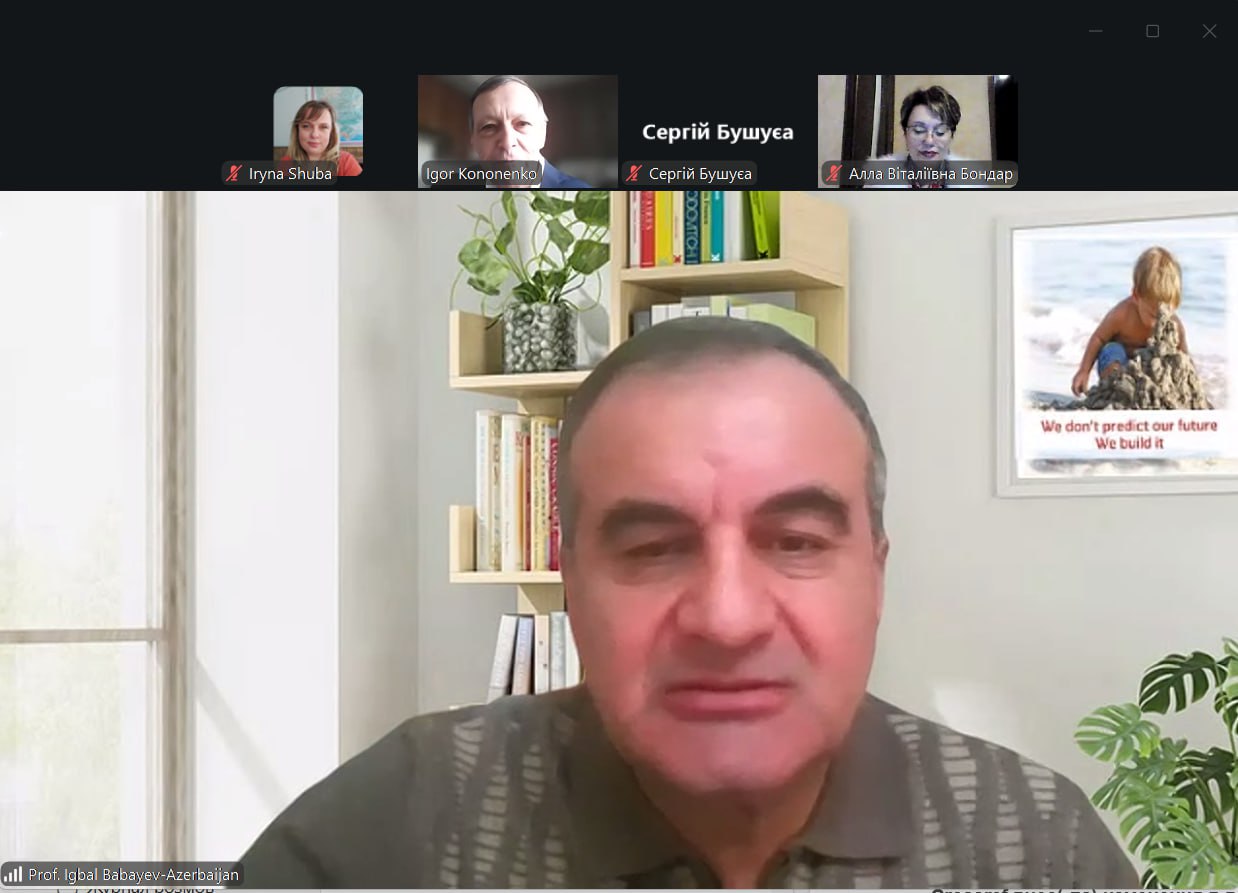
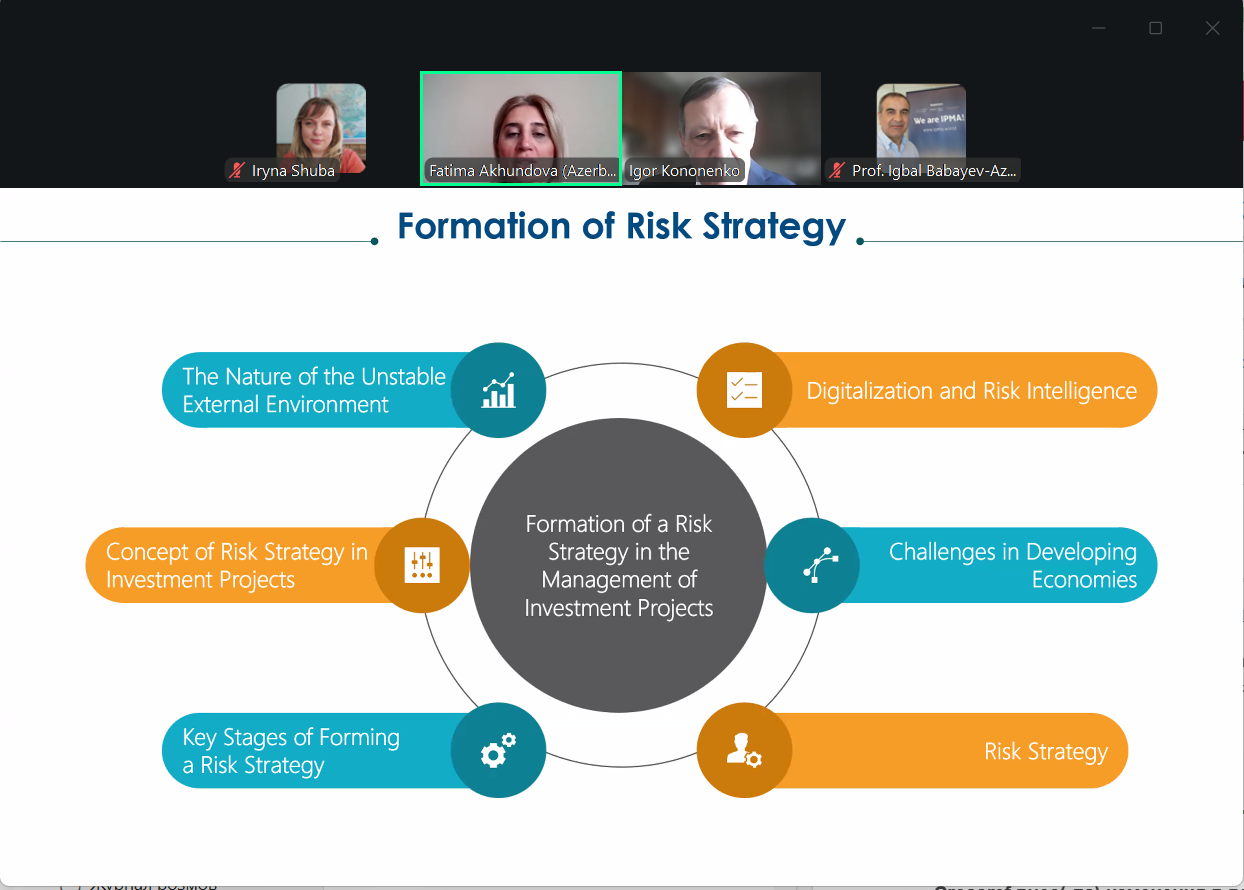
The President of the Azerbaijan Project Management Association, Co-Chair of the Azerbaijan–Kyrgyzstan Development Fund, Professor Igbal Babayev, and the Executive Director of the Azerbaijan Project Management Association, IPMA Level B, doctoral candidate of the Project Management Department at the Azerbaijan University of Architecture and Construction, Fatima Akhundova, focused on the formation of risk management strategies in managing investment projects under conditions of an unstable external environment. They emphasized that a characteristic feature of an investment climate marked by uncertainty is that investors are increasingly interested not in short-term speculative transactions or long-term real estate investments, but in investments in modern businesses.
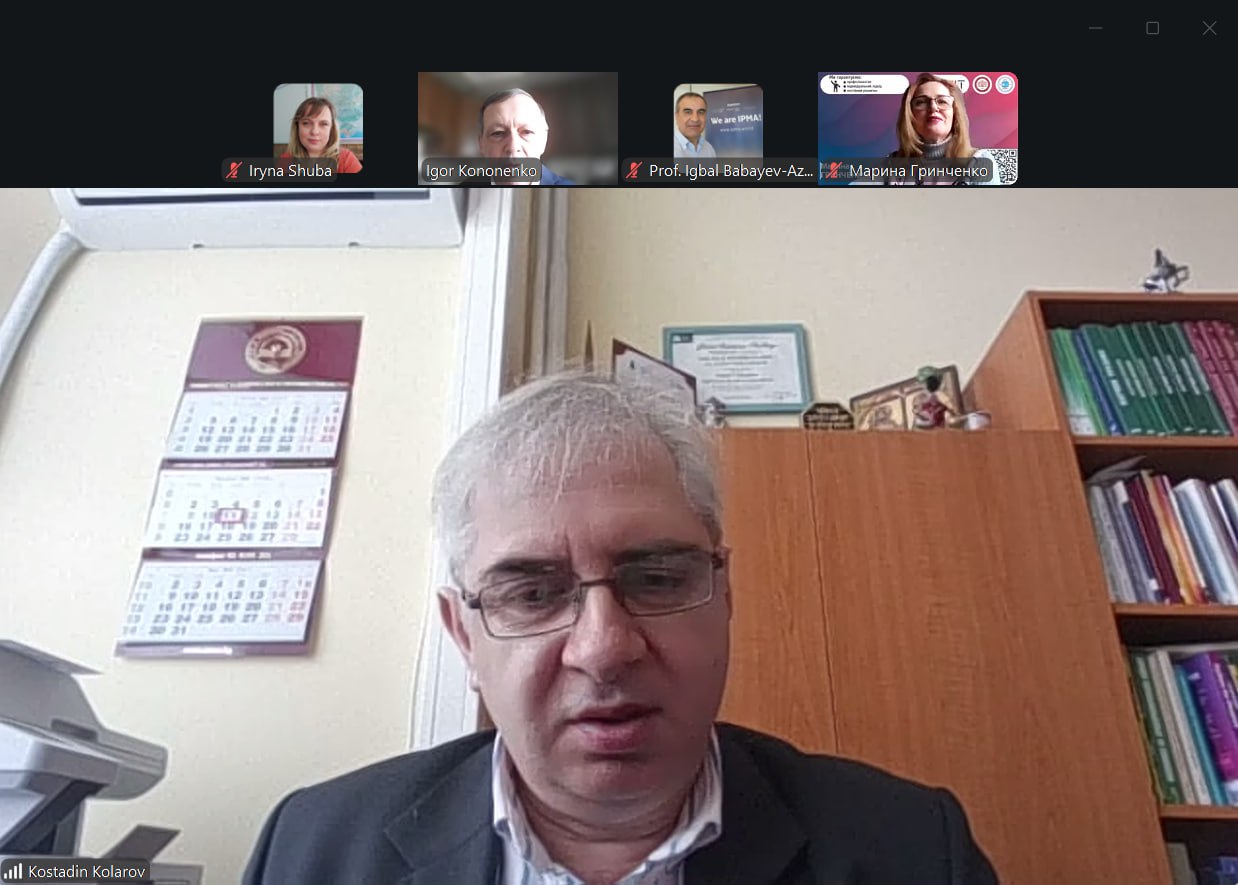
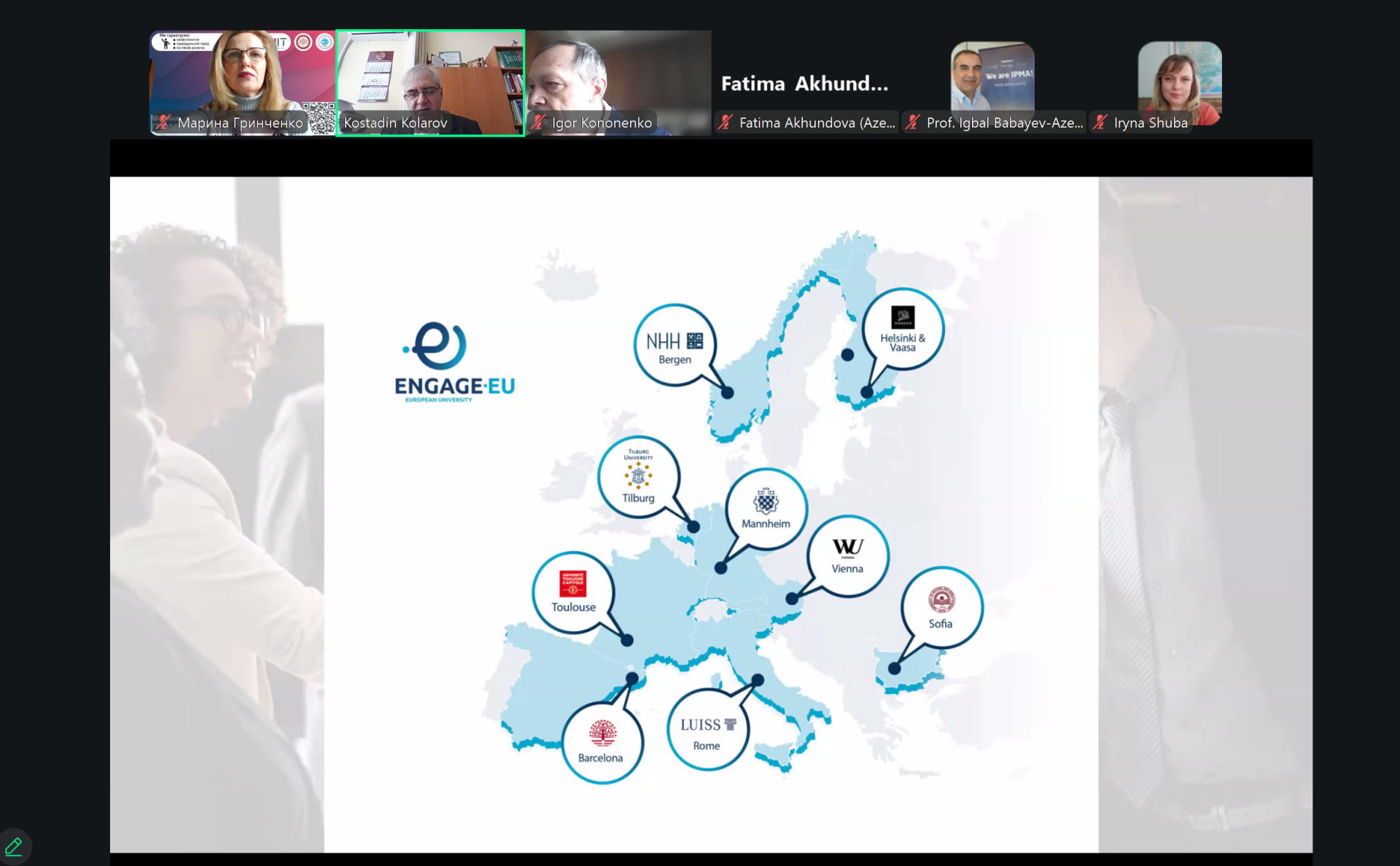
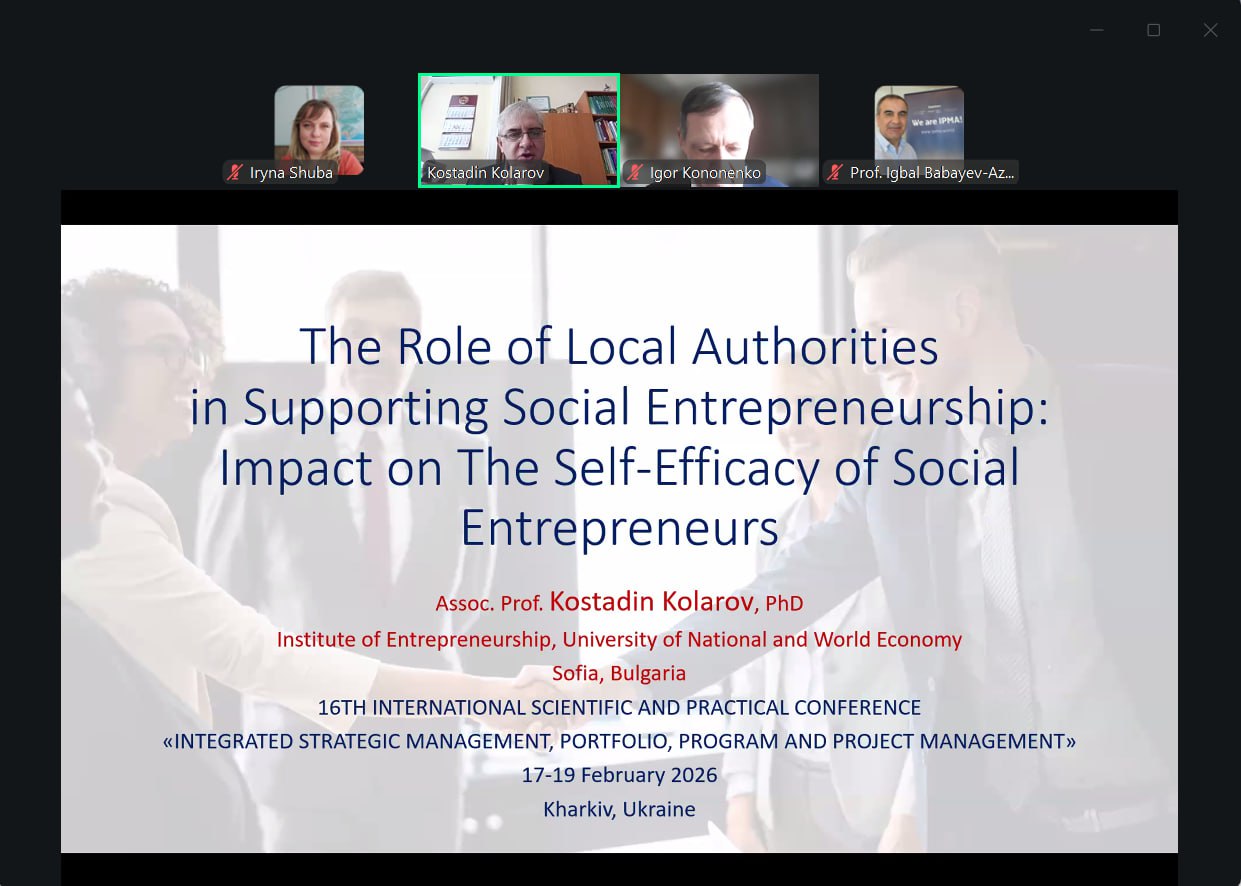
Dr. Kostadin Kolarov, Director of the Institute of Entrepreneurship at the University of National and World Economy (Bulgaria), devoted his presentation to the role of local authorities in supporting social entrepreneurship. The study pays special attention to the role of local government as a factor determining the level of self-efficacy of a social entrepreneur. An important feature of a social entrepreneur’s self-efficacy, compared to that of a traditional entrepreneur, is the belief in the ability to achieve positive social change; a high level of self-efficacy leads to the creation of greater social value.
 |
 |
 |
 |
 |
 |
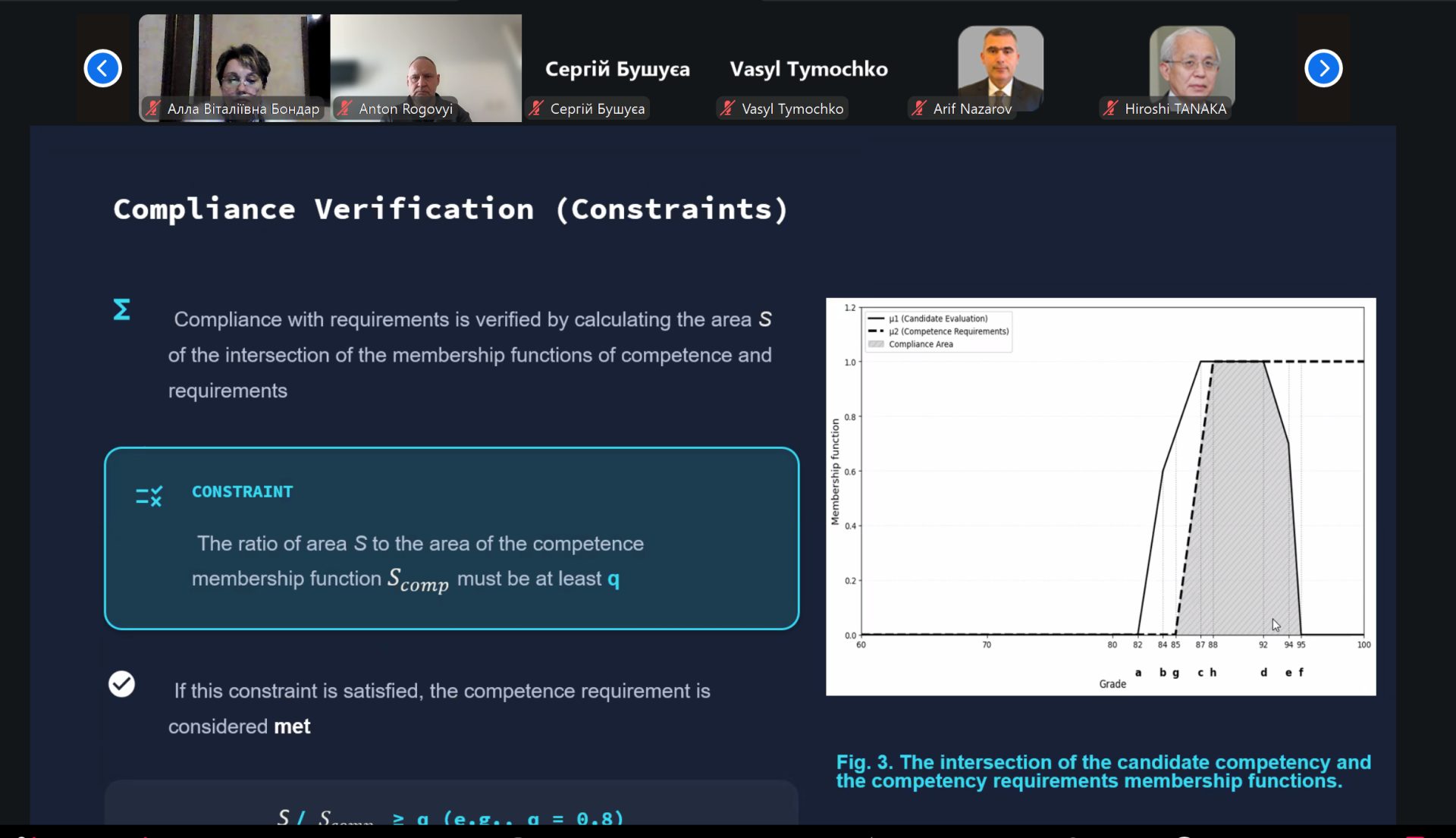
Professor Ihor Kononenko of the Department of Project Management in Information Technology at the National Technical University “Kharkiv Polytechnic Institute” noted in his presentation that the evaluation of candidates for a project team, as well as students, takes place under conditions of significant uncertainty. Therefore, point-based assessments, which have become widely used, do not in fact reflect real conditions. The use of fuzzy intervals is more appropriate. The study demonstrated how such assessments can be applied to form a project team, taking into account not only technical competencies but also the ability to perform specific roles and the personal qualities of candidates.
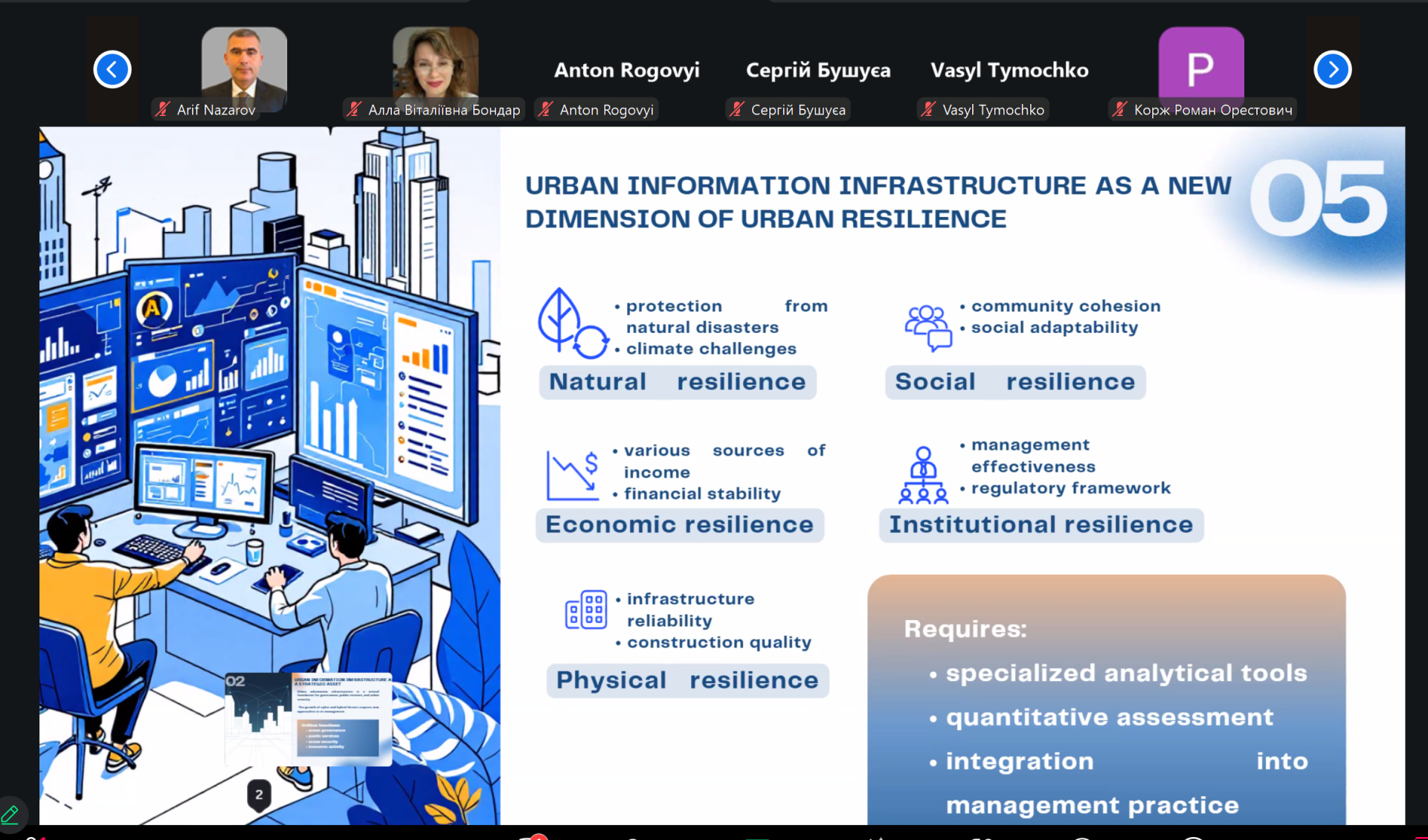
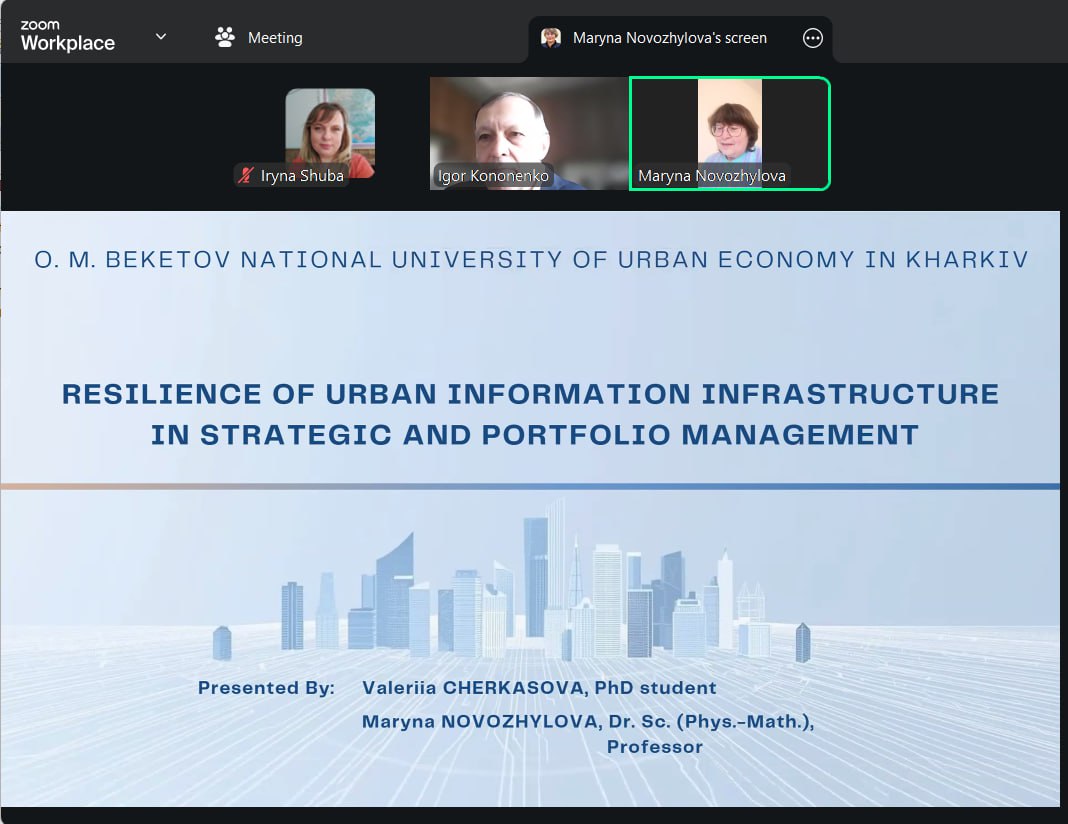
Professor Maryna Novozhylova, Head of the Department of Computer Science and Information Technologies at the O. M. Beketov National University of Urban Economy in Kharkiv, in her presentation “Resilience of Urban Information Infrastructure in Strategic and Portfolio Management,” emphasized that integrating the concept of resilience into project portfolio management is an important prerequisite for the development of urban information infrastructure under conditions of uncertainty. Portfolio formation is based on balancing economic efficiency with each project’s contribution to system reliability, adaptability, and recovery speed.
 |
 |
 |
 |
 |
 |
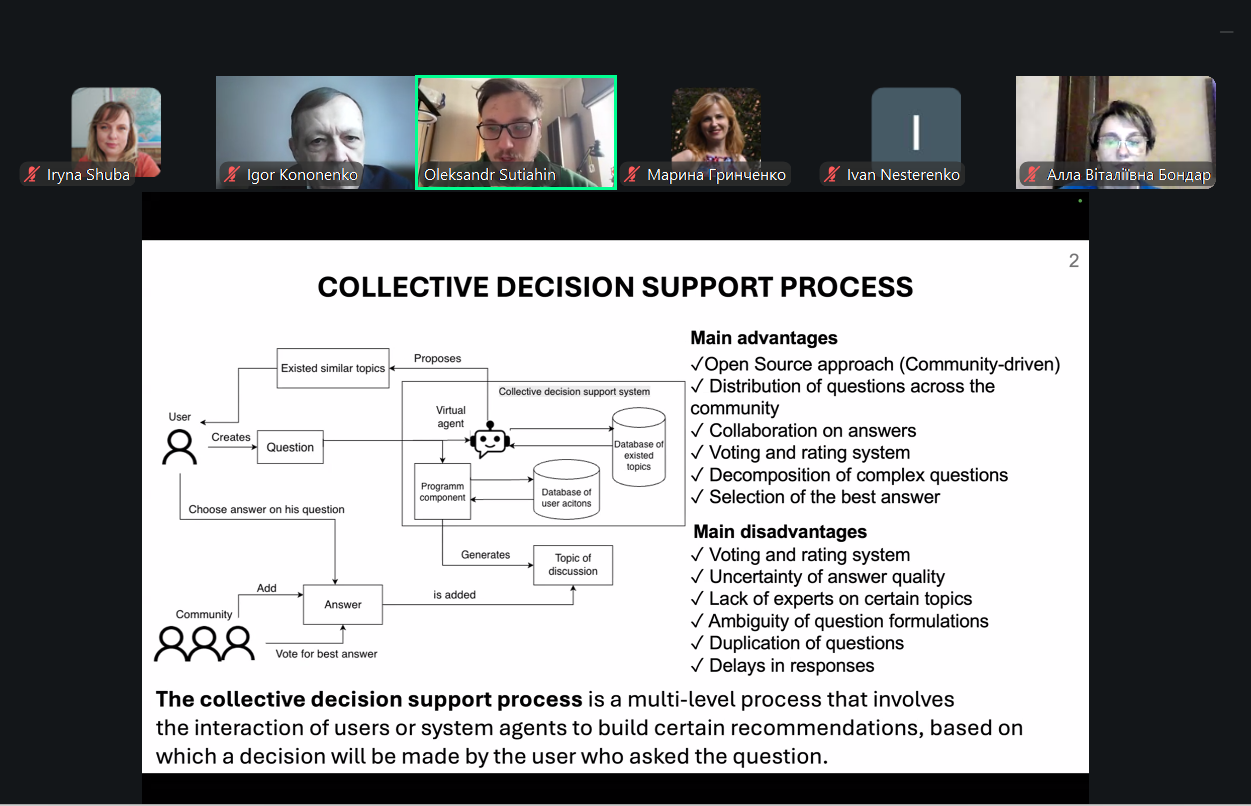
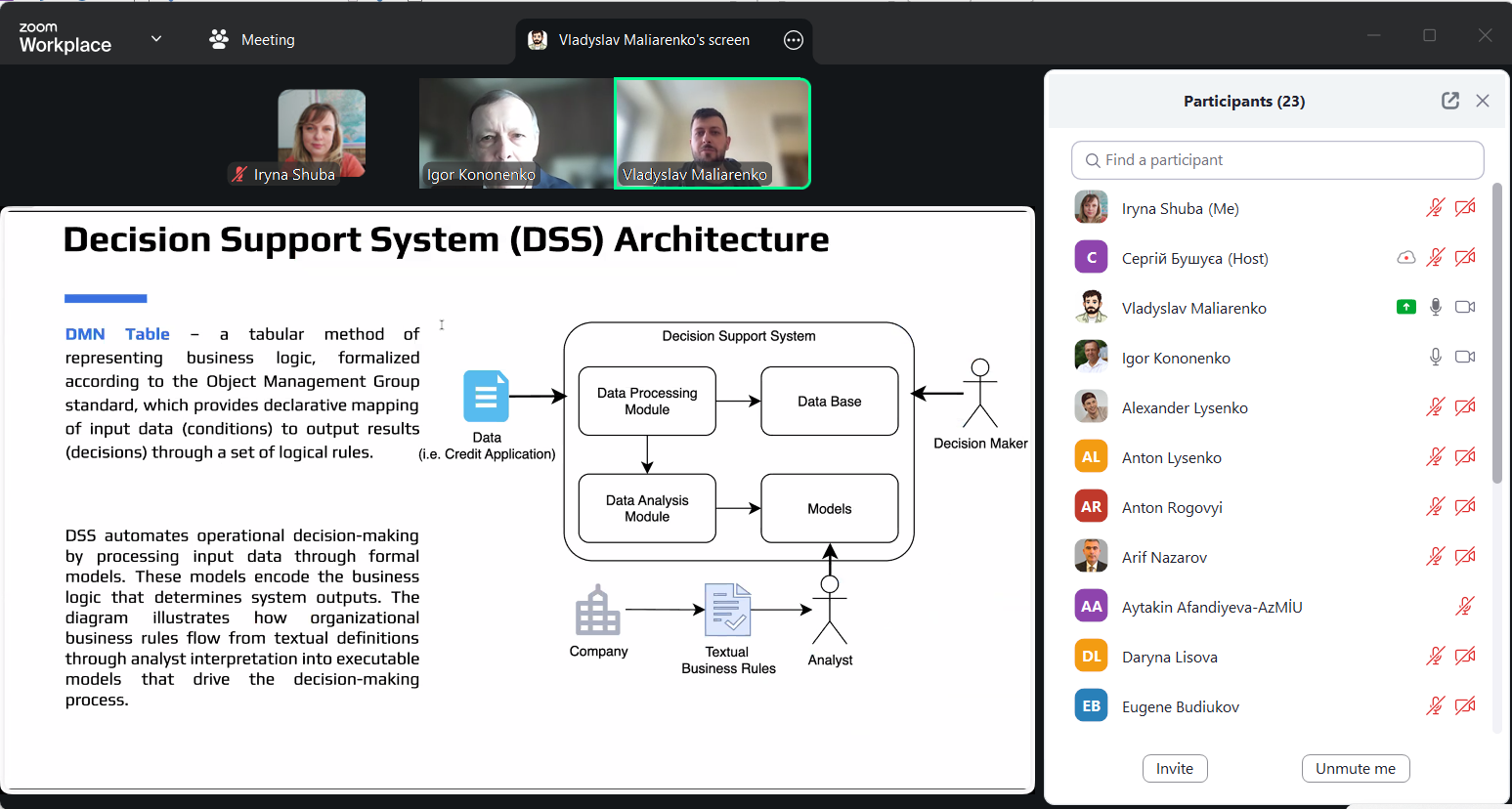
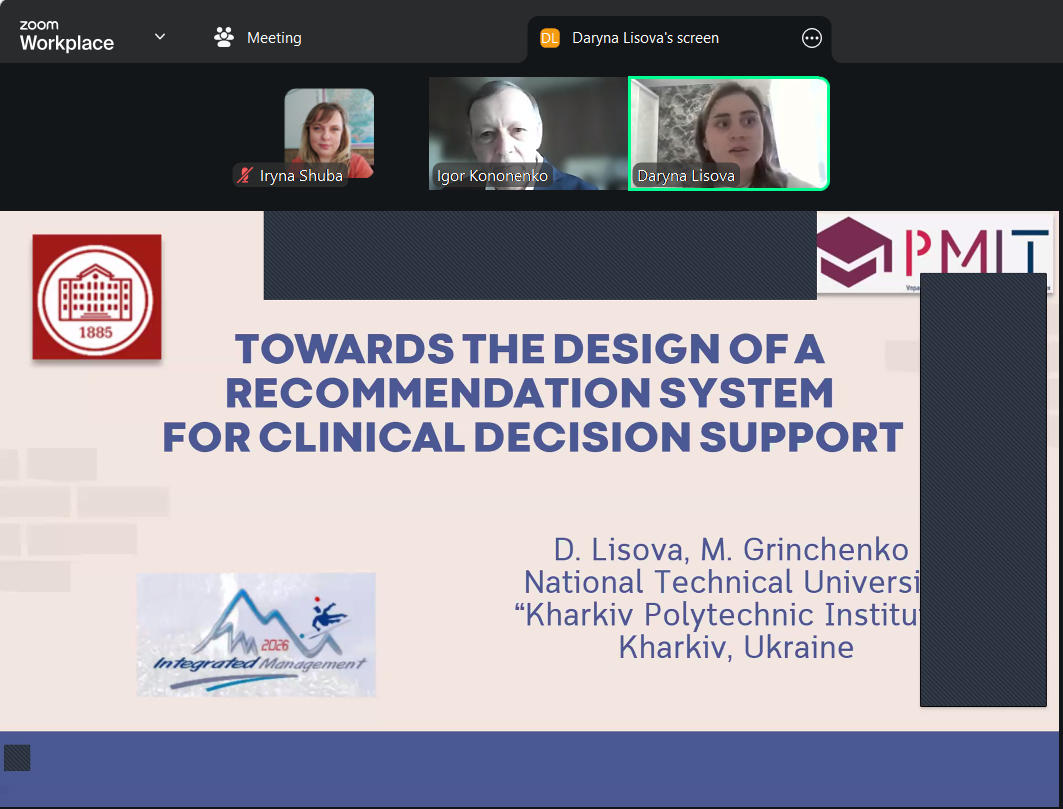
Among the conference presentations, special attention should be given to the works of Maryna Hrynchenko, Daryna Lisova, Dmytro Kutsenko, Olha Cherednichenko, Vlad Maliarenko, Oleksandr Sutiagin, Oleh Zadorozhnyi, Yurii Boiko, Andrii Kopp, and Ivan Nesterenko, which were devoted to the development of artificial intelligence and its applications.
Particular recognition should also be given to the significant organizational efforts behind the conference. These were carried out by Professor Ihor Kononenko of the Department of Project Management in Information Technology at the National Technical University “Kharkiv Polytechnic Institute”, Associate Professor Iryna Shuba of the same department, Head of the Department Maryna Hrynchenko, and Associate Professor Olena Lobach.
 |
 |
 |
The collection of the conference abstracts can be viewed here.