Laboratory of AI-Integrated Optical Technologies
From Optical Measurements
to Intelligent Decisions
About the laboratory
The Laboratory of AI-Integrated Optical Technologies was founded in 2000 at NTU “KhPI” as an interdepartmental research unit of the Department of Computer Mathematics and Data Analysis and the Department of Applied Physics. Since its inception, it has focused on combining experimental optics, mathematical and computer modeling, and intelligent data analysis methods to address problems in physics, materials science, and related fields.
Our laboratory brings together physicists and data scientists from both departments. This combination enables us to work at the interface between optical diagnostics, solid state physics, organic and inorganic materials, and modern machine learning approaches.
Scientific heads of the laboratory
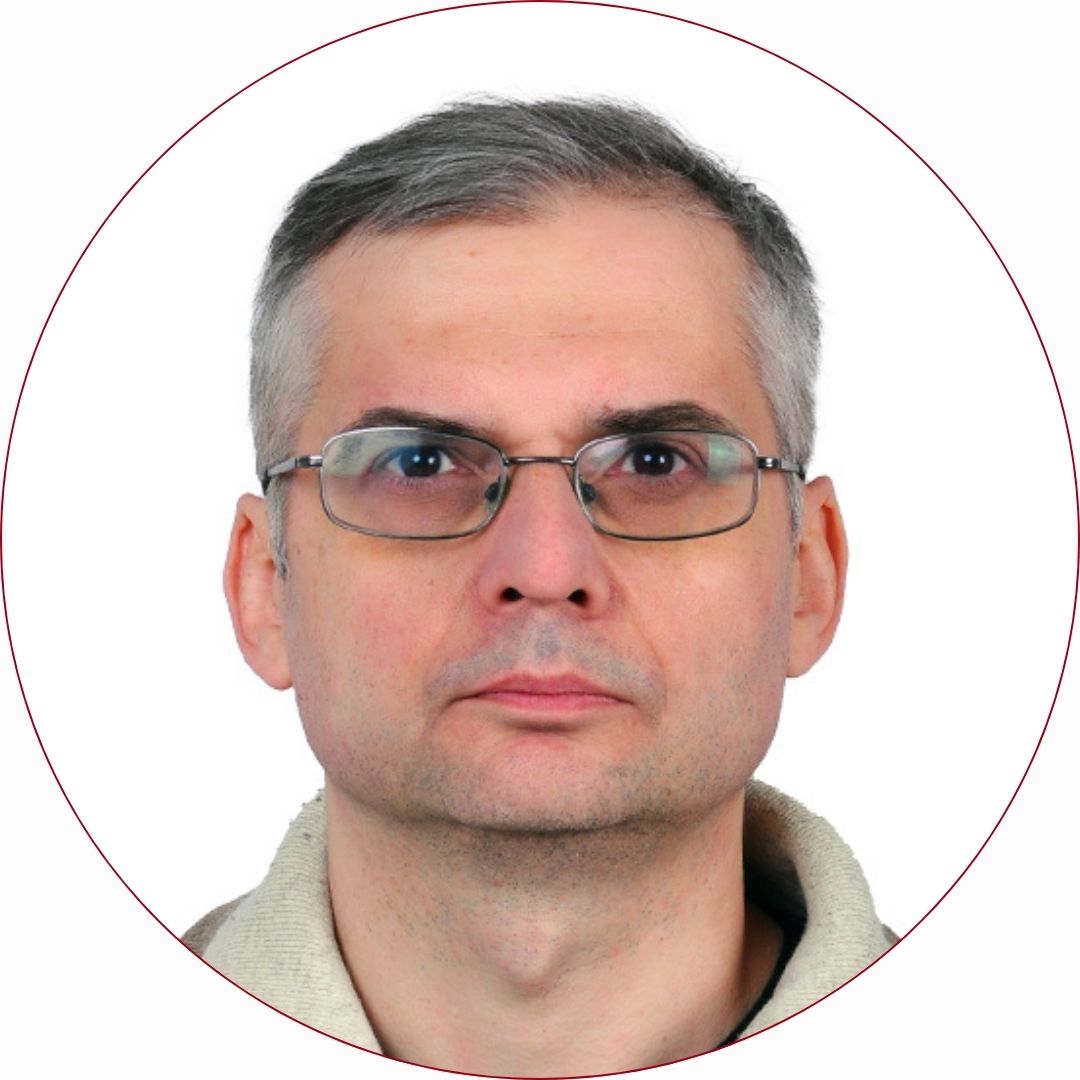
Oleksii Haluza
Doctor of Science, Professor,
Department of Computer Mathematics and Data Analysis, NTU “KhPI”
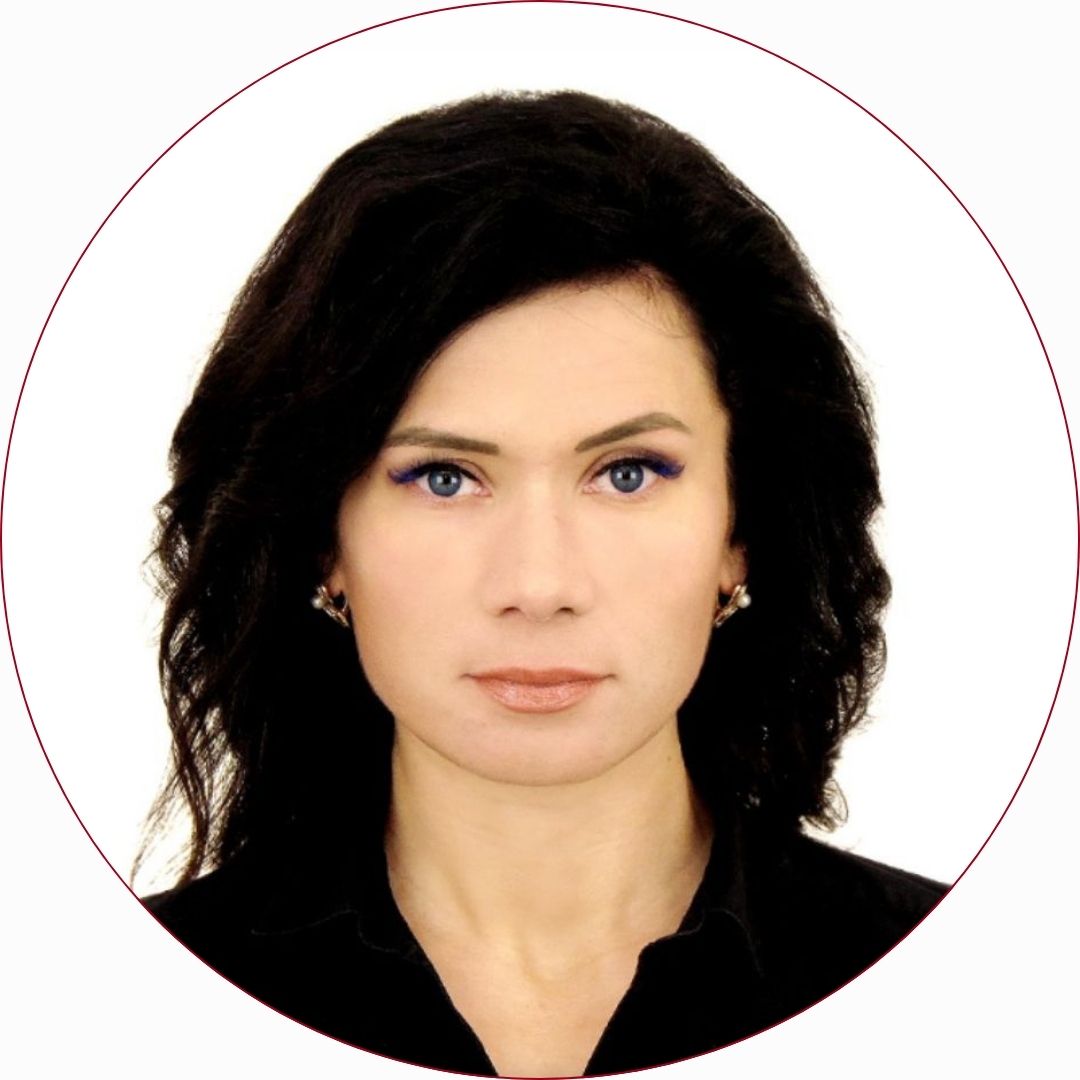
Alla Savchenko:
PhD in Physics, Associate Professor,
Department of Applied Physics, NTU “KhPI”
Our techniques
The laboratory uses a broad set of non-contact, non-destructive optical methods, including:
- ellipsometry in the visible and sub-terahertz ranges
- reflectometry in the visible and sub-terahertz ranges
- interferometry (Linnik microinterferometer)
- spectroscopy in the visible and sub-terahertz ranges
- optical microscopy (bright field, dark field, polarisation, phase contrast, metallographic and other modes)
Together, these methods provide non-contact, non-destructive characterization of thin films and multilayer structures, surface microrelief and deformations, material composition, optical constants and anisotropy, and the influence of defects and inhomogeneities on functional properties.
Data processing is based on mathematical and computer modelling and on intelligent methods of data analysis, including machine learning.
Main research directions
-
- Investigation of the effects of plasma-related factors on the optical properties and surface structure of first mirrors for plasma diagnostics in ITER.
- Development of the hardware for sub-terahertz ellipsometry and reflectometry.
- Non-destructive optical and quasi-optical diagnostics of the structure and physical properties of functional materials for various applications.
- Investigation of the influence of localized defects and surface roughness on ellipsometric and reflectometric measurements.
- Development of intelligent methods for modelling and analysis of micro interferometric images of defective mirror surfaces.
- Development of mathematical models and intelligent algorithms for analysing microimages of biological objects.
- Development of colorimetric and spectral methods for color-based assessment of food quality.
- Development of methods for determining the ratio of chemical components in transparent crystals from their color.
- Development and optimization of high precision opto-electronic systems for detection and tracking of airborne objects, including defence and security applications.
- Investigation of the influence of severe plastic deformation on the microstructure and physical properties of metals and alloys.
Teaching and project-based learning
The laboratory plays an active role in education at NTU “KhPI”. We have developed project-based learning courses for students of Applied Mathematics, Computer Science, and related programmes. Student teams:
- solve real problems in optics, solid state physics, cryobiology, and materials science,
- work with experimental data from our laboratory,
- build models and implement software tools for optical diagnostics, including AI-based analysis.
Contact person:
Oleksii Haluza
E-mail: Oleksii.Haluza@khpi.edu.ua
Alla Savchenko
E-mail: Alla.savchenko@khpi.edu.ua