
What is this programme?
The educational programme “Intelligent Cyber-Physical and Robotic Systems” is an interdisciplinary bachelor’s degree programme that combines training in two specialities: G7 “Automation, Computer-Integrated Technologies and Robotics” and F3 “Computer Science”.

Programme objective — to train professionals capable of solving theoretical and practical problems in the development of intelligent cyber-physical and robotic systems using programming, automation and artificial intelligence.
The programme was jointly developed by the Department of Computer Modelling of Processes and Systems (CMPS) and the Department of Automation and Control in Technical Systems (ACTS).
Why choose this programme?
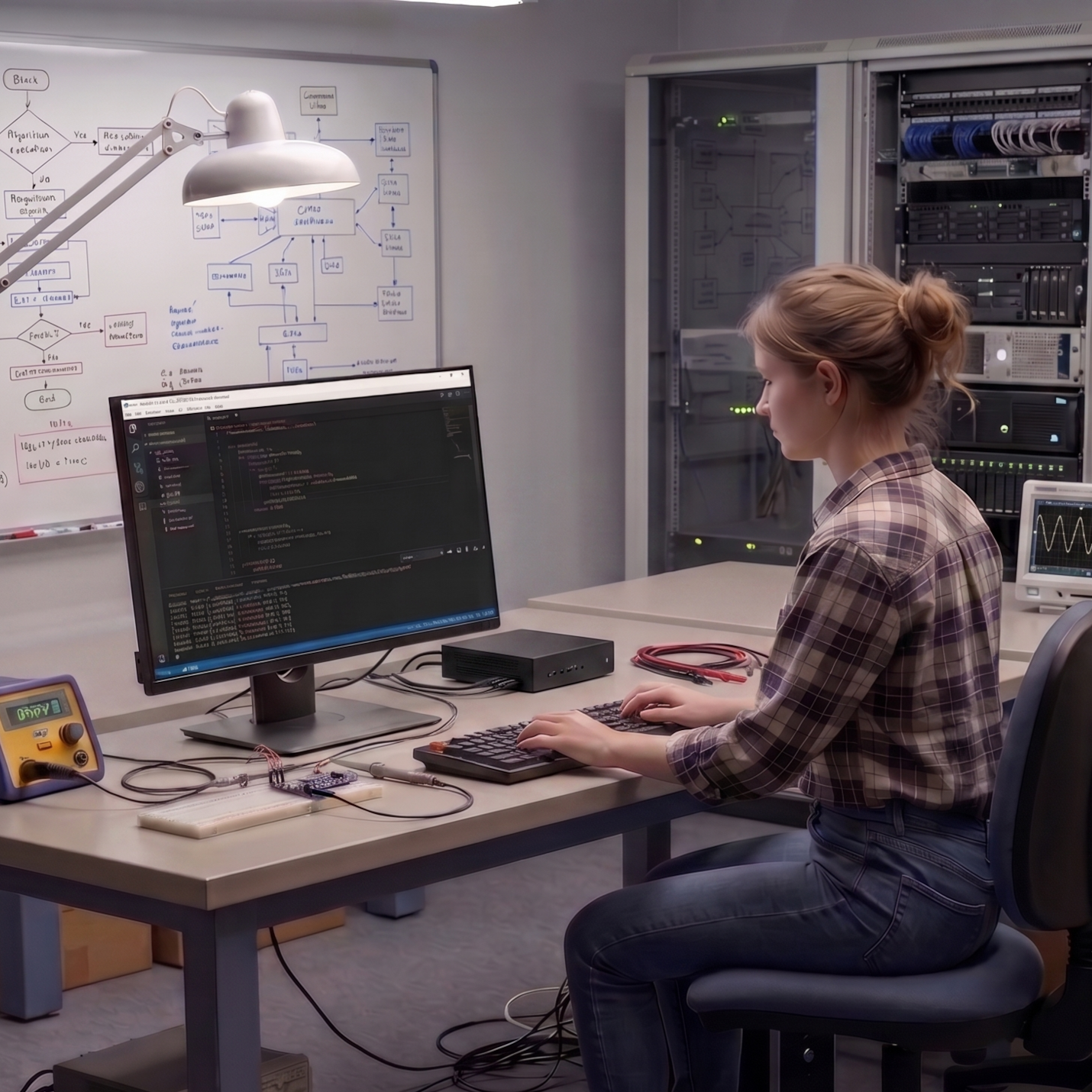
Practice-oriented learning
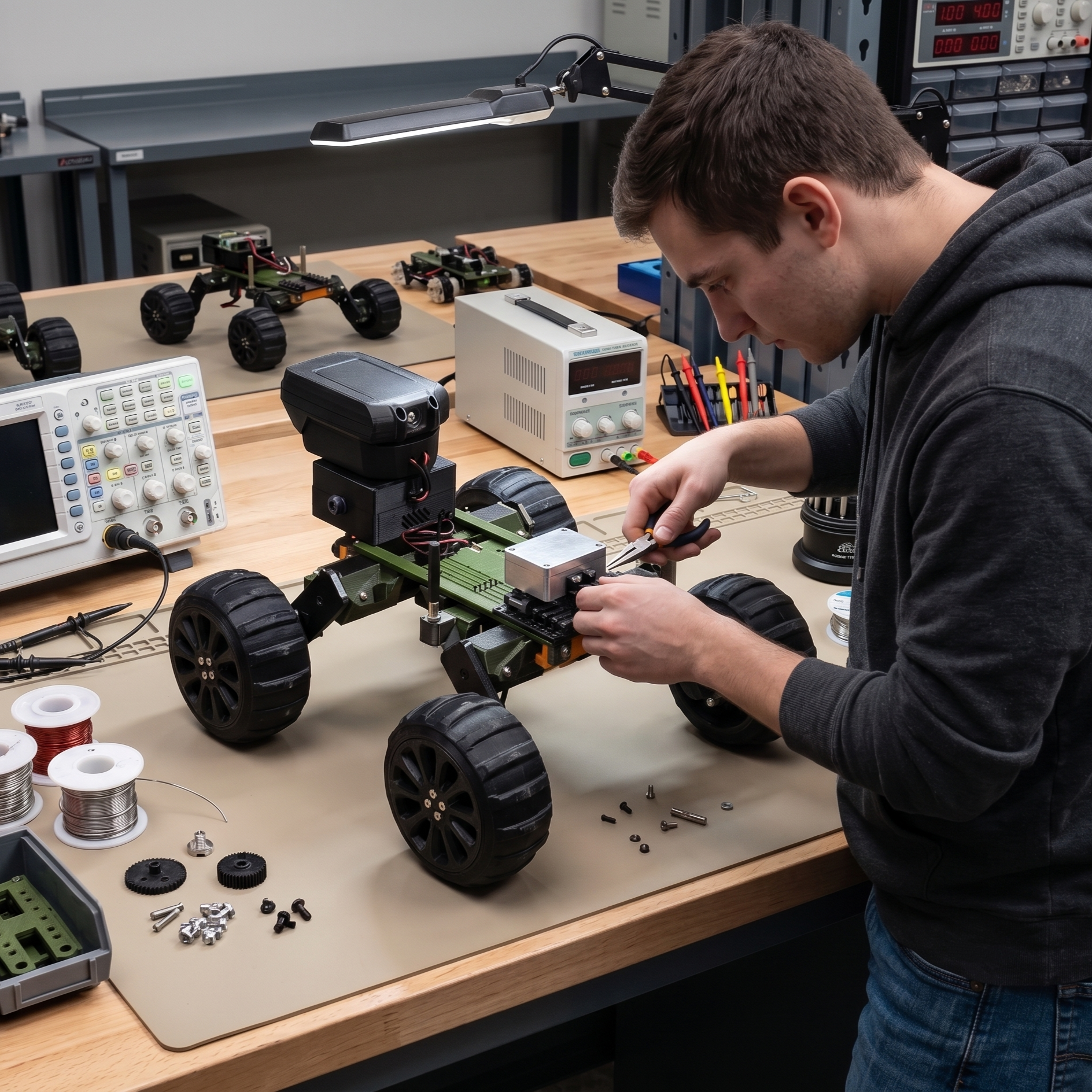
Individual and group project work under the guidance of academic staff with practical industry experience — from concept to prototype. Key areas and technologies include:
- modern programming languages, platforms and development tools;
- 3D modelling, prototyping and digital manufacturing systems using 3Dprinting;
- machine learning and deep learning methods, computer vision and sensor data processing;
- hardware and software tools for real-time automation and control.
Interdisciplinarity
The combination of computer science and programming with automation and robotics provides you with broad opportunities and a competitive advantage from the very beginning of your professional career.
Your achievements during your studies
During your studies, you will have the opportunity to contribute to real engineering projects, complete practical training and internships at leading IT companies, and gain your first professional experience before graduation. The programme’s enhanced practical component will enable you to build a diverse project portfolio demonstrating your readiness for the job market.
Your achievements may include:
- ✅ AI project — an intelligent system incorporating machine learning
- ✅ Robotics prototype — a working model of a robot or automation system
- ✅ Cybersecurity system — comprehensive protection against unauthorised access and interference
- ✅ Software solutions — software developed to address real-world problems
- ✅ Teamwork experience — participation in team projects and development of professional connections
- ✅ Internship/practical training — participation in international exchange programmes and practical experience at IT companies
- ✅ Professional portfolio — professionally completed assignments and projects supporting successful employment
- ✅ Readiness for an IT career — a confident start in the profession
Career prospects
Popular career paths after graduation:
Entry-level positions available during your studies:
Our partners and your potential employers:
Structure and content of the educational programme
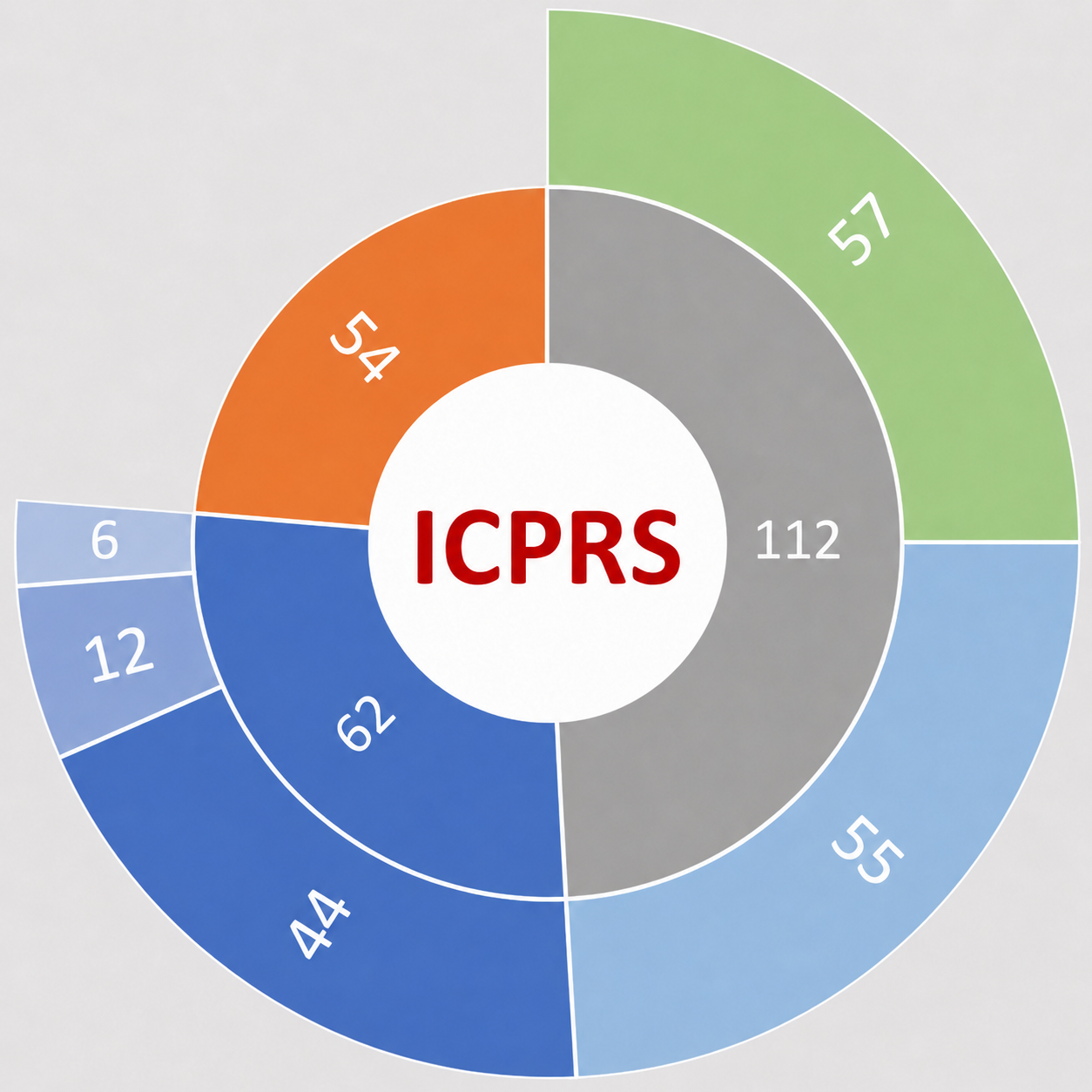
The total workload for the entire period of study is 240 ECTS credits (7,200 academic hours). Educational components are distributed by type as follows:
●General education components (ECs) (language courses, mathematics, physics, philosophy, ecology, etc.)
●Compulsory professional training ECs (specialised courses in both specialities)
- ● G7 – automation, computer-integrated technologies and robotics
- ● F3 – computer science
● Elective ECs in professional and general education (a list of specialised courses students may select independently during their studies, as well as courses assigned by the university)
- ● Elective professional training ECs
- ● Elective general education ECs (from the university-wide catalogue)
- ● Elective ECs assigned by the university (Fundamentals of National Resistance, etc.)
Detailed information about the educational programme and the syllabi of its educational components is available on a separate page in the educational programme catalogue.
Questions about admission?
Join the applicants’ chat to learn about admission rules and procedures and upcoming Open Days. Follow the departments’ information channels on your preferred social media platforms to stay up to date with the latest news.
Contact details for the person responsible:
Associate Professor, Department of Computer Modelling of Processes and Systems (CMPS) Volodymyr Mietielov
Phone: +38 (050) 298-21-42